About Xulifa
Building ocean confidence since 2012 through structured coaching and practical wave knowledge
Our Foundation
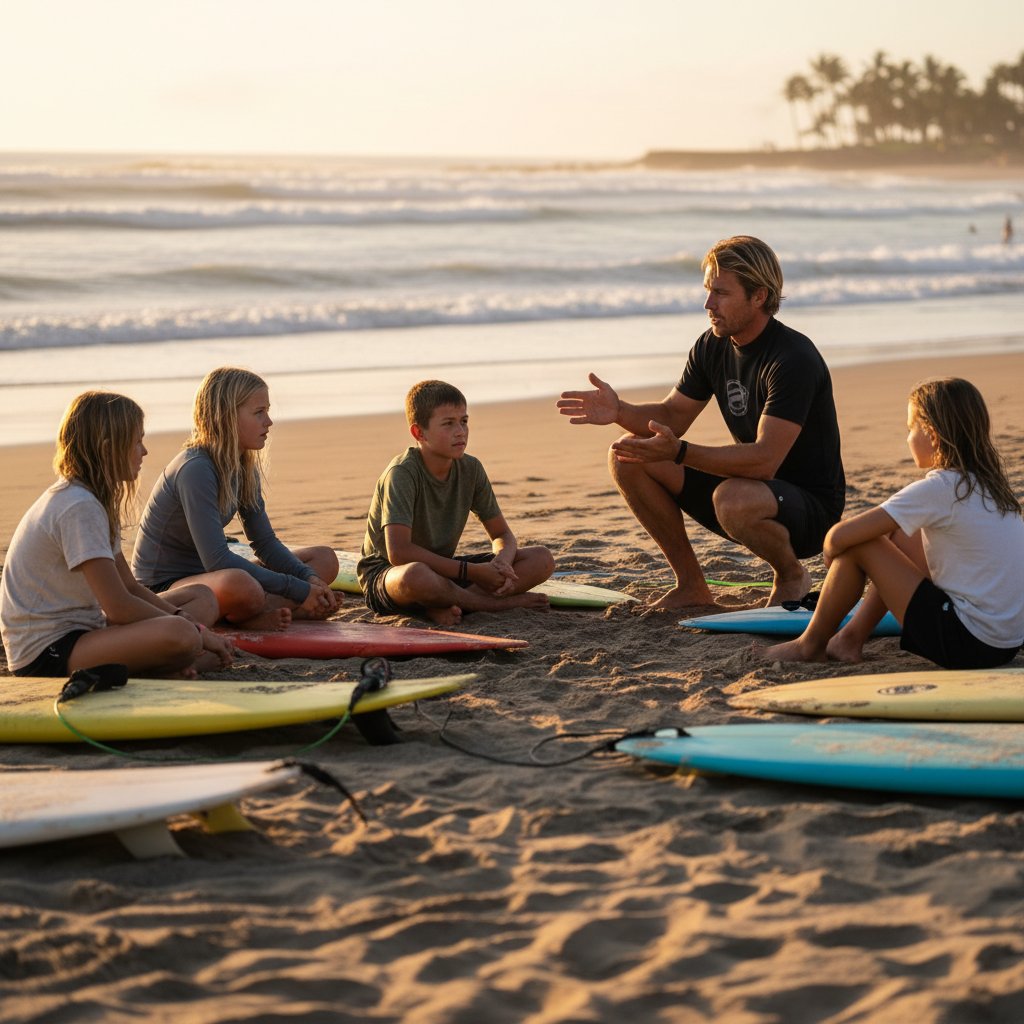
Xulifa began in Brighton in 2012 when three certified surf instructors recognised a gap in structured coaching for beginners and intermediate riders along the British coastline. What started as weekend sessions at Camber Sands has grown into a comprehensive training programme serving over 400 students annually across South England coastal locations.
The name Xulifa comes from an old maritime term meaning "finger of the sea" - representing the precise connection between rider and wave that we teach. Our headquarters in London allows easy access to coaching locations in Cornwall, Devon, and Sussex, where we conduct regular sessions throughout the year.
Experience & Methodology
Our team consists of 8 ISA-certified instructors with a combined 67 years of teaching experience. Each coach holds current first aid certification and has completed the British Surfing Association Level 2 Beach Lifeguard qualification. We maintain a maximum 4:1 student-to-instructor ratio during all sessions to ensure proper attention and safety.
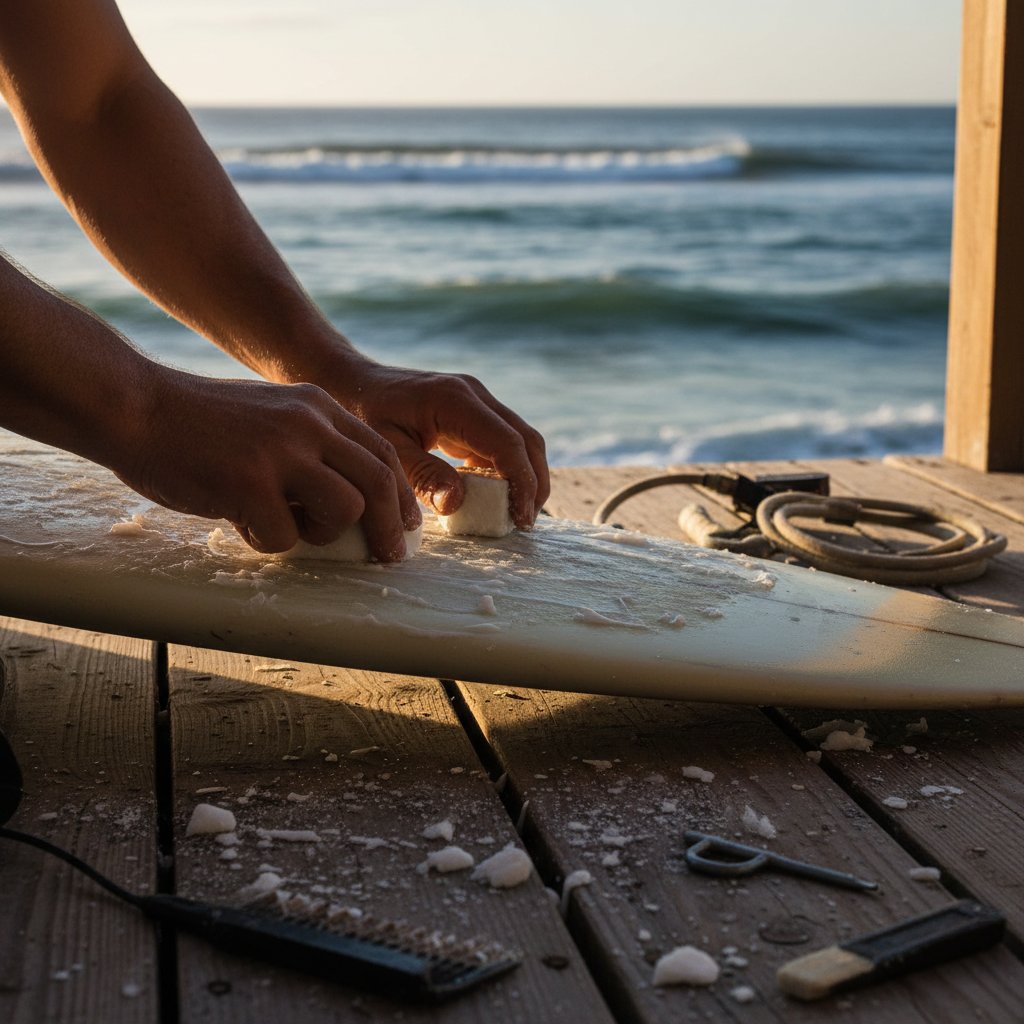
Rather than making broad claims, we focus on measurable progression. Students receive structured feedback after each session, with 73% of beginners standing on their board within the first two hours. Our intermediate programme breaks down specific techniques - bottom turns, cutbacks, reading swell patterns - into repeatable steps that students can practice independently between coached sessions.
Our Mission
We teach ocean awareness and board control through systematic instruction. Each session covers water safety protocols, weather pattern recognition, and technique refinement appropriate to current conditions and student ability.
Our Vision
To establish accessible surf education across British coastal communities, making wave riding a practical skill rather than an intimidating challenge. We aim to train 1,000 confident ocean users annually by 2026.
Safety First
All sessions include beach assessment, rip current identification, and emergency procedures before entering water.
Measurable Progress
Written feedback after each session with specific technique points and recommended practice drills.
Structured Learning
Five-level progression system from water confidence to advanced manoeuvres, with clear advancement criteria.