Тренер по серфингу in 2024: what's changed and what works
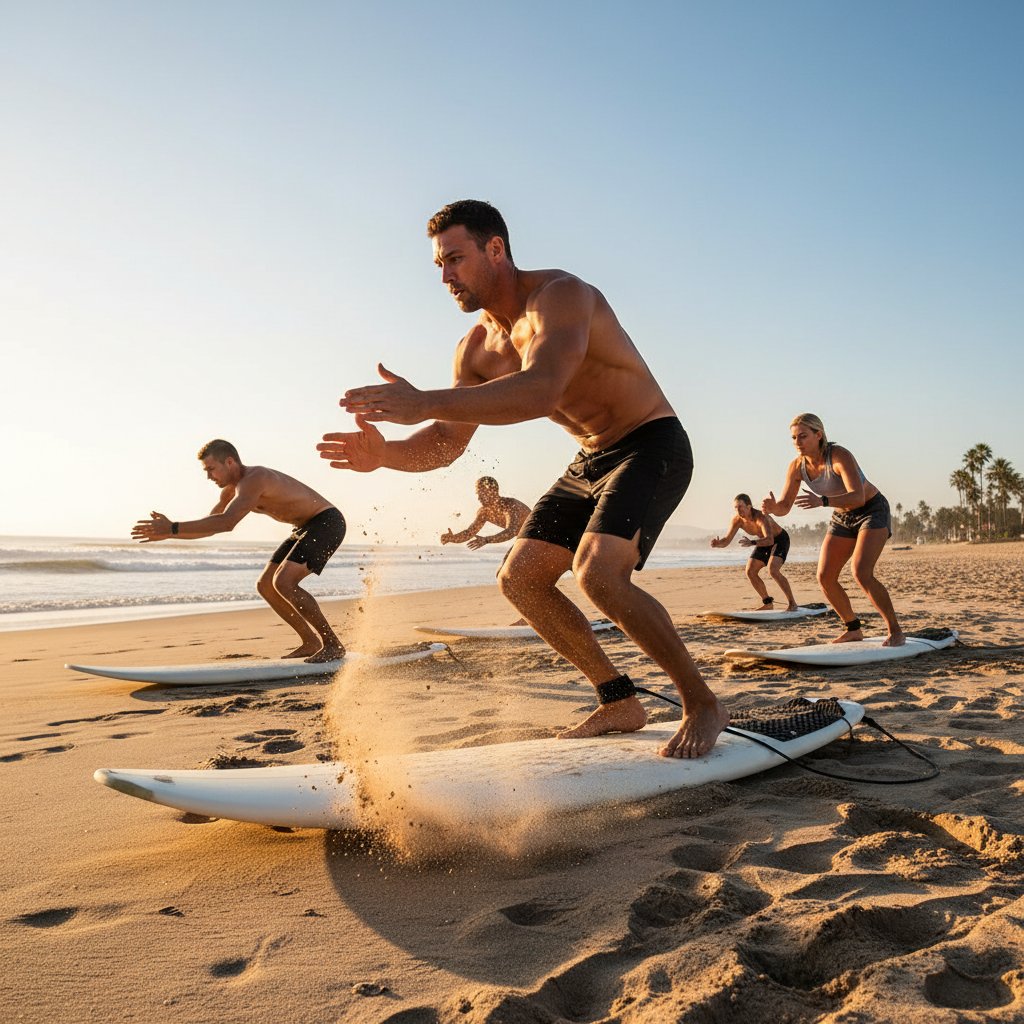
Teaching people to ride waves has evolved dramatically over the past few years. Gone are the days when surf coaching meant just pushing beginners into whitewater and hoping for the best. The profession has matured into something far more sophisticated, blending sports science, digital tools, and a deeper understanding of how people actually learn on water.
If you're coaching surfers in 2024—or thinking about getting into it—here's what's actually working right now and what's been left behind in the shorebreak.
1. Video Analysis Has Become Non-Negotiable
Every serious surf instructor now films their students. Not occasionally—every single session. Apps like CoachNow and Hudl Technique have made frame-by-frame analysis ridiculously easy, and students expect it. You're not just showing them what they did wrong; you're playing back that bottom turn at quarter speed so they can see their weight distribution was off by three inches.
The coaches getting the best results are sending video feedback within two hours of a session ending. Students watch it on their lunch break, absorb the corrections, and show up to the next lesson with specific adjustments already in mind. This cuts learning time roughly in half compared to the old "tell them and hope they remember" approach.
Here's the thing: you don't need expensive equipment. A waterproof phone case ($40) and a beach tripod ($25) will do the job. The investment that matters is your time reviewing footage and adding voice-over commentary that actually helps.
2. Structured Progression Systems Beat Vibes-Based Teaching
The "let's see how you feel today" approach is dead. Students want clear milestones and measurable progress. Smart coaches have developed 8-12 level systems that break surfing into concrete skills: paddling efficiency, pop-up mechanics, reading whitewater, understanding lineups, bottom turns, cutbacks.
Each level has specific drills and success criteria. A student doesn't move from Level 3 to Level 4 until they can demonstrate consistent pop-ups in under 1.8 seconds and catch five waves per hour independently. Numbers matter. Vague encouragement doesn't.
This systematic approach also justifies your pricing. When students can see they've progressed through four levels in two months, they understand what they're paying for. It's not magic—it's methodology.
3. Off-Water Training Actually Produces Results
The best improvements aren't always happening in the ocean anymore. Coaches are assigning specific homework: Indo Board sessions (15 minutes, three times weekly), shoulder mobility routines, and paddle-specific strength work. Students who do this supplementary training progress about 40% faster than those who only show up for water time.
Surf-specific yoga has exploded, and for good reason. A student who can hold a deep squat comfortably will nail their bottom turn positioning faster. Someone with flexible shoulders won't fight their pop-up mechanics. The connection is direct and measurable.
You don't need to become a fitness instructor, but you do need to partner with one or create a simple program students can follow. The coaches charging $150+ per hour are the ones providing comprehensive training plans, not just beach meetings.
4. Micro-Commitments Replace Marathon Sessions
The traditional two-hour lesson is losing ground to focused 45-minute sessions. Attention spans are shorter, sure, but there's also science here: students retain more from concentrated bursts of learning than from exhausting slogs.
Three 45-minute sessions across a week will beat one three-hour marathon every time. Students stay engaged, they're not physically destroyed, and they have time between sessions to mentally process what they learned. Plus, you can fit more clients into your schedule and actually increase your weekly revenue while working fewer total hours.
The sweet spot seems to be 60-75 minutes: 10 minutes beach briefing, 45 minutes water time, 10-15 minutes video review right there on the sand while everything's fresh. Pack it tight, make it count, send them home before fatigue kills their form.
5. Specialization Pays Better Than Generalization
Trying to teach everyone from age 5 to 65 means you're really good at teaching nobody. The coaches commanding premium rates have picked a lane: women over 40, competitive juniors, intermediate surfers stuck on a plateau, or total beginners with water anxiety.
When you specialize, your marketing becomes effortless. You're not "a surf coach"—you're "the coach who helps desk workers in their 30s finally get past the beginner stage." Your testimonials are specific. Your before-and-after stories are compelling. Your pricing reflects expertise, not commodity hourly rates.
One coach in Portugal exclusively teaches wave selection and positioning to intermediates. That's it. No pop-up basics, no complete beginners. She charges €120 per session and books out three weeks in advance. Narrow focus, deep expertise, premium pricing.
6. Digital Presence Is Your Real Storefront
Nobody finds surf coaches through flyers anymore. Your Instagram feed, Google Business profile, and website are where students decide if you're legit. But here's what actually works: transformation content, not lifestyle shots.
Post student progress videos. Show someone's pop-up improving over four weeks. Break down one specific technique in a 60-second reel. Share the mistake you see most often and how to fix it. This content demonstrates your teaching ability and builds trust before anyone contacts you.
Coaches who post consistently (4-5 times weekly) and focus on education over aesthetics are seeing 3-4x more inquiries than those posting sunset surf shots with inspirational quotes. People want proof you can teach, not proof you can surf.
The surf coaching landscape has shifted from casual side hustle to legitimate profession. The coaches thriving in 2024 treat it like one: systematic methods, professional tools, specialized expertise, and consistent marketing. The ocean hasn't changed, but everything about how we teach people to ride it has.